
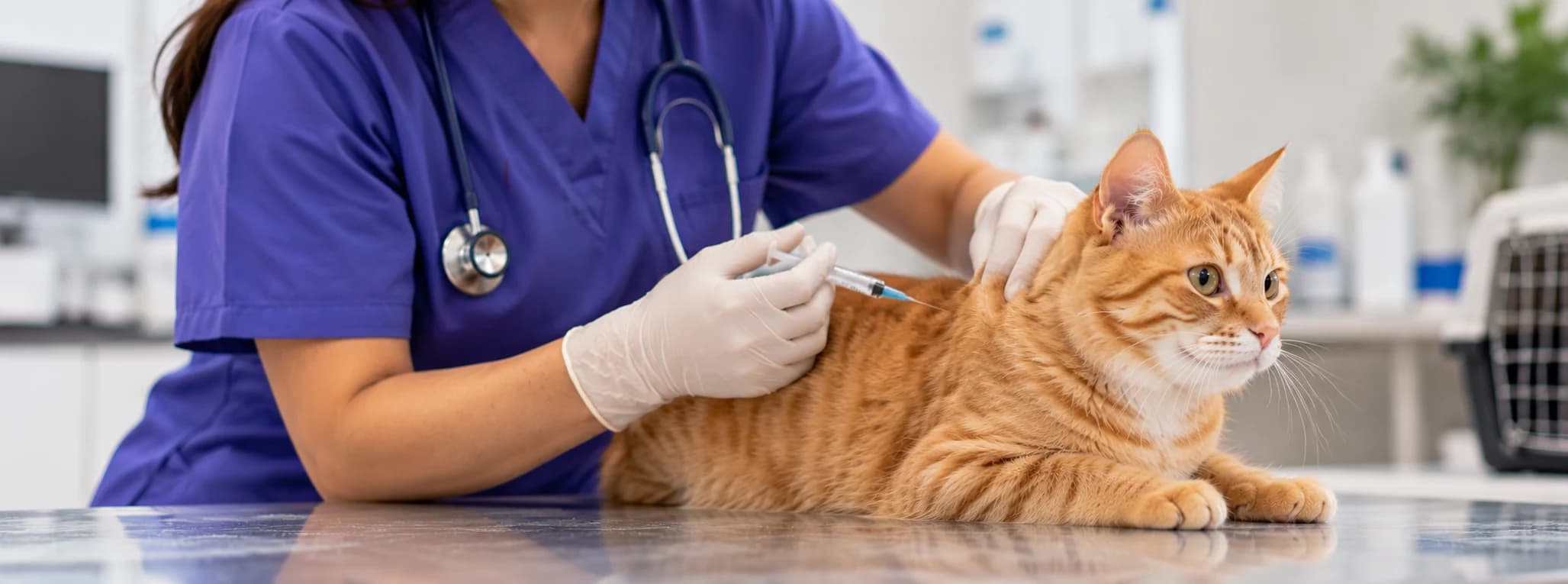
A lot of cat owners figure that if their cat never sets paw outside, vaccines aren't really necessary. It makes sense on the surface. No contact with strays, no time spent roaming outdoors. But this is actually one of the most common myths in cat care. Even a cat that never leaves the house can still end up exposed to viruses and bacteria that hitch a ride in through people, other pets, or things brought into the home.
Cat vaccination in Dubai is still one of the best ways to keep your pet protected from illnesses that are entirely preventable. As part of responsible pet vaccination in Dubai, vets recommend keeping both indoor and outdoor cats current on their shots based on age, health, and how they live. At The Ark Animal Clinic, the best animal clinic in Dubai, preventive care is always where we start when it comes to giving your cat a long, healthy life.
Do Indoor Cats Really Need Vaccinations?
Yes. Indoor cats face a lot less risk than cats who go outside, but less risk isn't the same as no risk. Viruses and bacteria find their way in more often than people expect.
A few common ways indoor cats end up exposed:
- Slipping out through a door or window left open
- Contact with a visiting pet
- A stay at a boarding facility or a grooming appointment
- Germs riding in on shoes, clothes, carriers, or pet gear
- A newly adopted pet joining the household
Vaccination is what gets your cat's immune system ready to fight these things off before they turn into something serious.
Why Vaccination Is Important for Indoor Cats
Vaccines aren't just about avoiding illness; they help build up your cat's immunity over time and lower the odds of things getting bad if exposure does happen.
Some of the biggest upsides:
- Protection from viral diseases that can be fatal
- A stronger immune system over your cat's lifetime
- Fewer vet bills down the road from illnesses that were preventable in the first place
- Keeping other pets in the house safe too
- Meeting local vet guidelines and travel requirements
Routine pet vaccination in Dubai costs a lot less than treating an advanced infectious disease, and many of those cases end up needing hospitalisation.
Common Diseases Vaccines Protect Against
There are a handful of serious feline diseases that indoor cats can still catch.
Feline Viral Rhinotracheitis (FHV)
Caused by feline herpesvirus, this respiratory illness spreads easily and causes sneezing, discharge from the nose, eye infections, and fever. Many cats end up carrying and shedding the virus for life.
Feline Calicivirus (FCV)
This one hits the respiratory tract and mouth. In bad cases, it can lead to ulcers, pneumonia, fever, and swollen joints.
Feline Panleukopenia
Also known as feline distemper, it's one of the deadliest infections a cat can get. It goes after the immune system and digestive tract, and it can be fatal, especially in kittens.
Rabies
Rabies can affect any mammal, humans included. Indoor cats rarely cross paths with infected wildlife, but accidents happen. Vaccination is still the safest bet, and depending on where you live, it may be legally required anyway.
Core and Non-Core Vaccines
Vets typically split feline vaccines into two groups.
Core Vaccines
These are recommended for every cat, no matter how they live, because they guard against diseases that are widespread and potentially deadly.
They usually include:
FVRCP vaccine (covers Rhinotracheitis, Calicivirus, and Panleukopenia)
Rabies vaccine
Non-Core Vaccines
These come down to your cat's individual situation.
Some examples:
Feline Leukaemia Virus (FeLV)
Bordetella
Chlamydophila felis
Your vet will figure out whether these make sense based on your cat's age, environment, and exposure risk.
Recommended Vaccination Schedule for Indoor Cats
Every cat gets a plan built around them, but here's roughly how it goes:
Kittens (6–8 Weeks)
First health check-up
First FVRCP shot
Parasite screening
9–12 Weeks
Second FVRCP dose
Any other vaccines needed
12–16 Weeks
Final kitten boosters
Rabies vaccine (depending on vet advice and local rules)
Adult Cats
Once the kitten series is done, adult cats need boosters every one to three years, depending on the vaccine and what your vet recommends.
Regular check-ups keep this schedule on track.
Can Indoor Cats Experience Vaccine Side Effects?
Most cats barely react at all after getting vaccinated.
If anything shows up, it's usually mild:
- A bit of tiredness
- Some soreness where the shot was given
- Slightly less interest in food
- A low fever that clears up within a day
These typically go away on their own without any issue.
Serious allergic reactions are rare, but if they happen, they need urgent attention. Watch out for any facial swelling, vomiting, trouble breathing, collapse, or lethargy that doesn't go away.
A good vet team keeps an eye on your pet and tells you exactly what to expect afterwards.
How to Prepare Your Cat for Vaccination
A calm cat makes for a much easier appointment. A few things that help:
- Use a carrier your cat feels safe and secure in.
- Skip feeding right before traveling if your cat gets carsick.
- Bring along any past vaccination records.
- Keep handling gently throughout.
- A treat afterwards goes a long way.
Staying relaxed yourself helps keep your cat calm too.
Why Choose Professional Pet Vaccination Services?
Vaccinating a cat isn't just about the injection itself. Every visit should start with a full health check to make sure your cat is actually fit to receive the vaccine that day.
A good veterinary clinic will also:
- Look at lifestyle-related risks
- Watch for any adverse reactions
- Keep accurate records of every vaccination
- Recommend a booster schedule built around your cat specifically
- Offer preventive care advice along the way
That way, your cat only gets the vaccines it actually needs.
Pet Vaccination at The Ark Animal Clinic
At The Ark Animal Clinic, preventive care is the starting point for everything we do. Every vaccination visit includes a full physical exam first, to confirm your cat is healthy enough for it.
Our vets build vaccination schedules around your cat's age, medical history, lifestyle, and overall health. We try to keep the whole experience calm and low-stress for both you and your pet.
As a trusted name in pet vaccination in Dubai, we offer complete preventive care backed by solid diagnostic equipment, experienced vets, and a gentle touch with every animal. It's part of why so many pet owners consider us the best animal clinic in Dubai. We combine real medical expertise with genuine attention to each pet that comes through our doors.
If you're looking for reliable pet vaccination in Dubai, The Ark Animal Clinic offers complete preventive care built around what your pet actually needs, so every cat gets to live a healthier, happier life.

