





Food is one of the most fundamental elements of life. While we often focus so closely on our own diets, this responsibility becomes even more significant for those who rely on us for their nutrition, our pets.
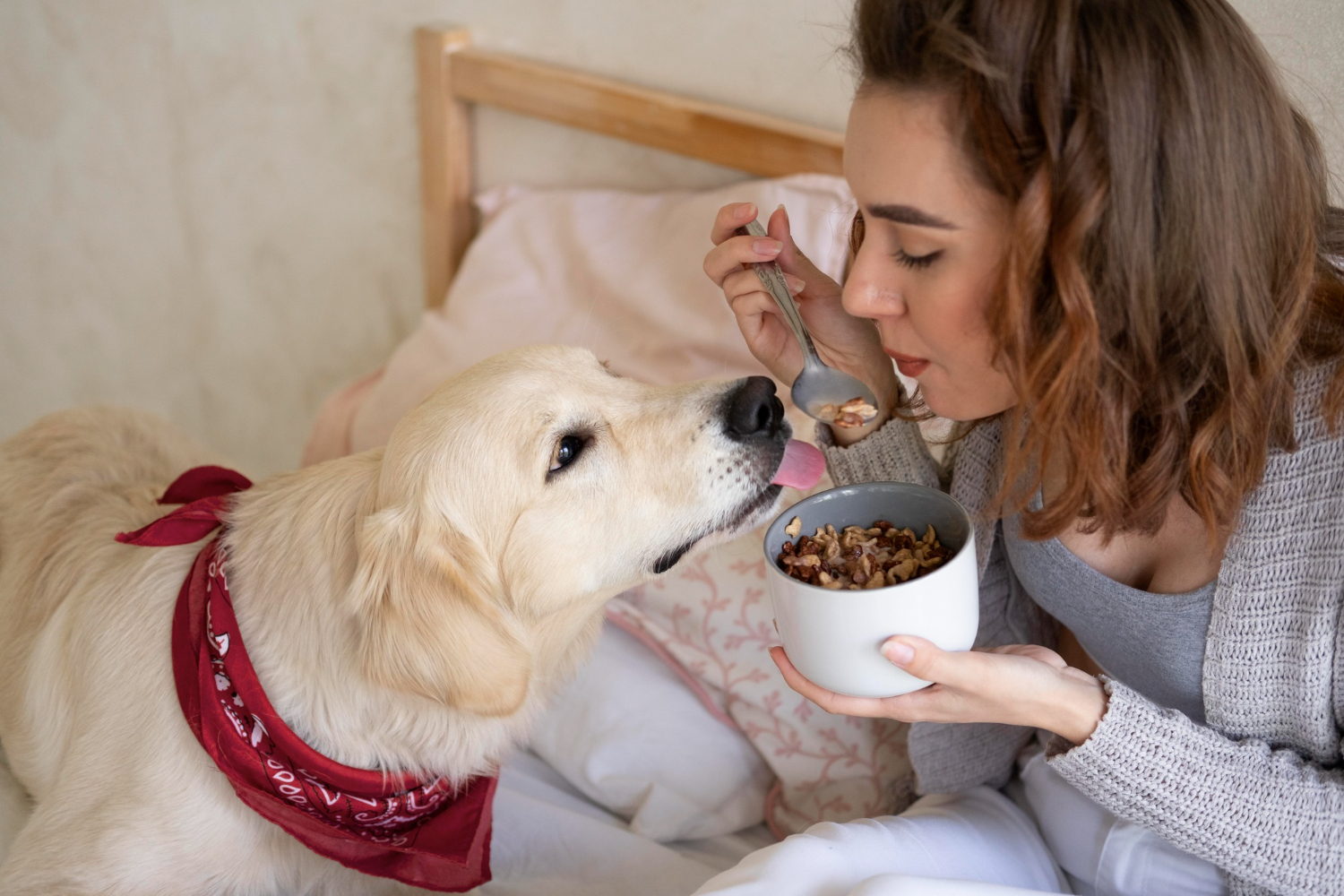
For pets, food is the foundation of their physical development, immunity, and long-term health. The growing importance of proper nutrition has influenced many pet parents to experiment with homemade meals. This allows them to offer fresher, more natural alternatives compared to commercially processed pet food.
Even well-prepared homemade diets can carry hidden risks that often go unnoticed. To help you make better decisions in keeping your furry friend safe, we have put together this guide to address whether homemade food is truly safe for pets, explore the common nutritional and health risks, and share professional insights to help pet parents make informed feeding decisions.
The Shift Towards Homemade Pet Food
Before addressing whether homemade food is truly safe for pets, it is important to understand why so many pet parents are drawn to it in the first place. The move toward homemade pet nutrition mirrors the broader trend in human nutrition. As people become more conscious of what they eat, they naturally extend the same concern to their pets. Freshly prepared meals are widely seen as healthier and more natural than packaged alternatives, and this perception carries over into how people think about feeding their animals.
Some pet parents turn to homemade diets to manage specific issues, including food allergies, digestive problems, or weight management concerns. Others are influenced by growing mistrust of commercial pet food brands, fuelled in part by negative stories circulating on social media. For some, it is also an emotional decision, as preparing food for a pet is a tangible expression of care. While all of these reasons are understandable, preparing nutritionally complete pet food is far more complex than it appears.
The Biggest Risk: Nutritional Imbalance in Homemade Pet Food
One of the most common misconceptions among pet parents is that pets require the same nutrients as humans, but in smaller quantities. In reality, both dogs and cats have very specific dietary requirements that are difficult to meet without expert guidance.
Dogs require precise amounts of protein, fats, carbohydrates, vitamins, and minerals. Cats are even more nutritionally demanding. They are obligate carnivores and require specific nutrients, including taurine, for optimal health.
Veterinary experts and researchers consistently find that a large proportion of homemade pet food recipes available online are nutritionally inadequate. While some recipes include appropriate nutrients, many fall short in key areas or include ingredients that can be harmful over time.
What Happens When Diets Are Unbalanced?
Dietary imbalances in pets often show no immediate symptoms, making them particularly dangerous. Without early detection, hidden deficiencies can develop into serious health problems over time. Such nutritional deficiencies can lead to:
- Weak immune systems
- Poor coat and skin health
- Bone deformities, especially in puppies and kittens
- Dilated cardiomyopathy and other heart conditions linked to taurine deficiency
- Liver and kidney issues
It is equally important to note that excess nutrients can be just as harmful as deficiencies.
Common Ingredients That Are Dangerous for Pets
Many common kitchen ingredients are unsafe or even toxic for pets. Foods such as onions, garlic, grapes, raisins, chocolate, and certain spices can cause serious health issues in both dogs and cats.
It is worth noting that ingredients that seem harmless in small amounts may accumulate over time and cause lasting damage. Cats, in particular, are highly sensitive to certain foods that dogs might tolerate better.
Many pet owners lean toward raw meat, eggs, and fish, believing this replicates what their animals would eat in the wild. Research shows, however, that such foods can harbour harmful bacteria, including Salmonella and E. coli. Beyond the risk to the pet, these pathogens can also pose a direct foodborne illness risk to other members of the household, particularly young children or immunocompromised individuals.
Practical Challenges of Feeding Homemade Pet Food
Preparing homemade pet food may seem manageable at first, but it comes with practical challenges that are difficult to sustain over time.
Time, Effort, and Consistency
- Preparing balanced homemade meals for pets requires careful planning and precision.
- Even small inconsistencies in ingredients or portions can affect the overall nutritional balance.
- Busy schedules can make it difficult to maintain a reliable and consistent feeding routine.
Cost and Sustainability
- High-quality ingredients and necessary supplements can make homemade diets costly.
- Regular veterinary check-ups to monitor nutritional health can become exhausting and financially significant over time.
- What begins as a well-intentioned plan can become hard to maintain consistently in the long run.
Can Homemade Food Ever Be Safe for Pets?
Homemade pet food can be safe when prepared correctly and with proper professional guidance. Here is how to approach it responsibly:
Professional Guidance: Veterinarians and board-certified veterinary nutritionists can help pet parents create customized meal plans based on the pet’s age, breed, weight, activity level, and medical history. For pet owners in the UAE, consulting a veterinary nutritionist in Dubai is the most reliable way to ensure a diet that is both complete and safe.
Supplements and Monitoring: Even well designed homemade diets often require supplements to meet full nutritional requirements. Regular health check-ups, blood tests, and nutritional monitoring are essential to track your pet’s progress and catch any deficiencies early.
Strict Hygiene Practices: Pet food should be handled with the same care as food prepared for humans. This means cooking meats thoroughly, avoiding cross-contamination, storing food at safe temperatures, and cleaning all preparation surfaces carefully.
Make the Best Choice for Your Pet with The Ark
Homemade food for pets can seem like a thoughtful and loving choice, but it is not without its risks. Without proper guidance and nutritional knowledge, the potential for harm is real. Nutritional imbalances, toxic ingredients, and hygiene concerns can all lead to long-term health complications. The safest diet for your pet is one that is complete, balanced, and designed around their individual needs.
At The Ark Animal Clinic, located in Dubai Silicon Oasis, we provide expert pet nutrition consultation in Dubai for cats and dogs. Whether you are considering a homemade diet or simply want guidance on what works best for your pet, our team is here to help. If you have been searching for reliable homemade pet food advice or a trusted animal clinic in Dubai, we are ready to support you with evidence-based guidance and a personalized plan. Contact us today to learn more about our pet food and nutrition consultation services in Dubai.